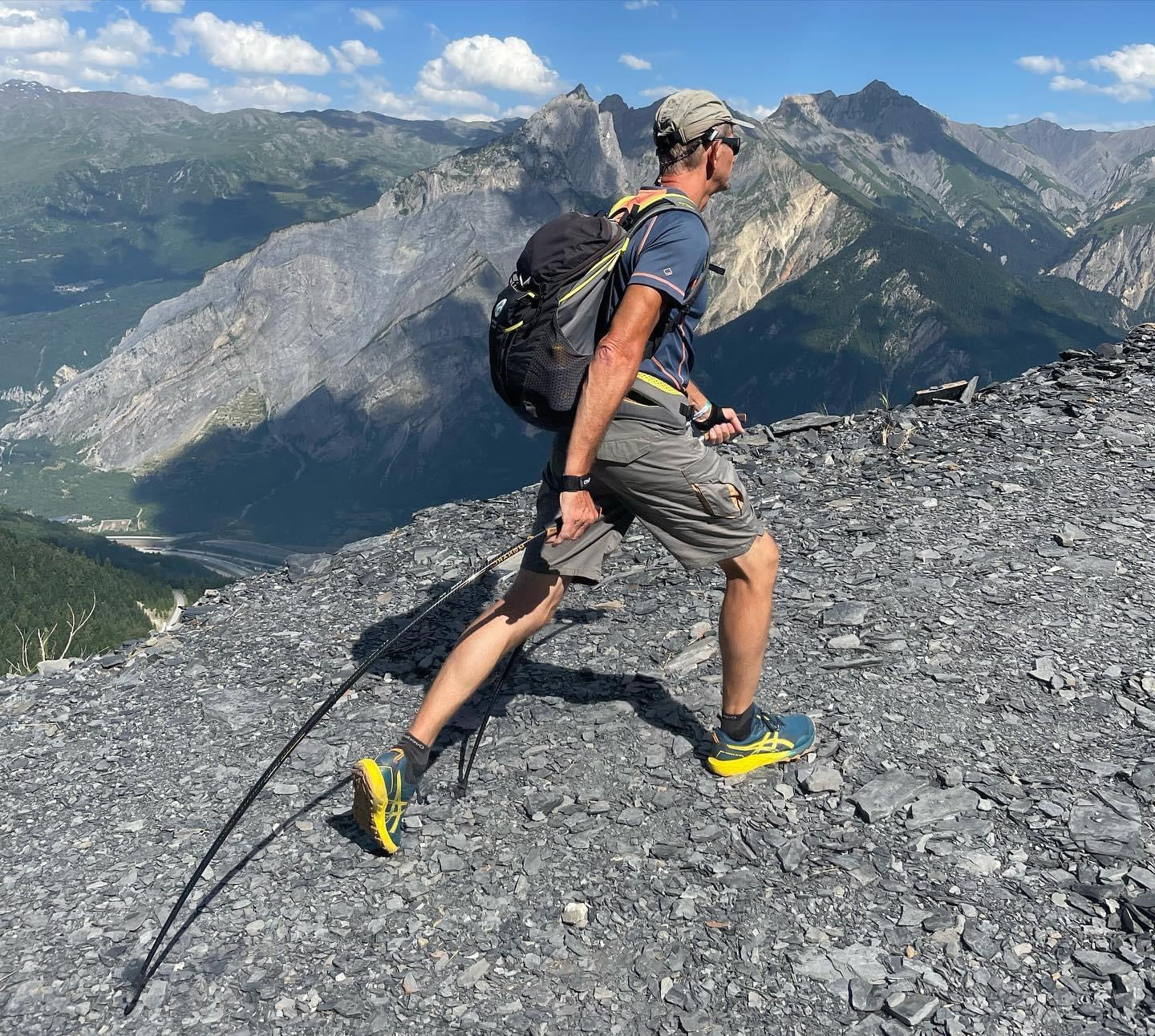
Nordic Walking and Hypertension: A Recognised Activity for Controlling Blood Pressure
High blood pressure affects more than a billion people worldwide. It is one of the main risk factors for stroke, heart attack and kidney disease. Yet part of the answer is not found in a medicine cabinet, but on a trail, with two poles in the hands.
What the studies say about sport and blood pressure
An international meta-analysis covering 197 studies and more than 10,000 participants showed that regular physical exercise lowers systolic blood pressure by nearly 9 points on average, as much as some antihypertensive drugs. In patients whose pressure exceeds 150 mmHg, the observed drop is even more than 20 points on average.
Endurance sports, brisk walking, swimming, cycling, and in particular Nordic walking, are among the most effective at producing this effect.
Why Nordic walking particularly suits people with hypertension
Nordic walking has several characteristics that make it a first-rate choice for people with high blood pressure:
- Low joint impact: unlike running, it does not overload the joints and can be practised long term without injury risk
- Activation of 90% of the body's muscles: this overall mobilisation improves peripheral blood circulation and reduces vascular resistance
- Opening of the ribcage: the posture induced by the poles encourages better breathing and oxygenation
- Continuous, moderate effort: ideal for working the aerobic zone, the most beneficial for the cardiovascular system
- Accessible at all levels: no need to be athletic to start
Nordic walking, recognised in cardiac rehabilitation
A study by the exercise physiology laboratory of the University of Ottawa Heart Institute, led by Dr Jennifer Reed, concluded that Nordic walking is "statistically and clinically superior" to high-intensity interval training (HIIT) for improving the functional capacity of cardiac patients in rehabilitation. For Dr Frédéric Depiesse, sports physician at the FFA, Nordic walking has become "a public-health tool for cardiac rehabilitation centres".
Swiss medicine (medbase.ch) confirms it: Nordic walking "helps fight high blood pressure and high blood glucose and cholesterol levels".
How many sessions for a measurable effect?
Studies show that a regular Nordic walking programme, 3 to 5 weekly sessions of 30 to 45 minutes at a moderate pace, produces measurable effects on blood pressure within 4 to 8 weeks. What matters is regularity: walking 30 minutes every morning lowers blood pressure for several hours, according to a study of 67 hypertensive participants.
Poles that encourage good posture
For people with hypertension taking up Nordic walking, choosing suitable poles is essential to adopt the right technique from the start. Poles that are too heavy or ill-fitted create tension in the shoulders and arms that spoils the comfort of the practice. The MØNARC® Arcs de Marche, at 140 grams per pole and in T700 carbon, offer a lightness and stiffness that ease the technical movement and make every outing more pleasant.
This article is for information purposes. It does not replace your doctor's advice. If you have hypertension, consult your cardiologist before starting or intensifying physical activity.

The MØNARC® Arcs de Marche®
Curved 100% carbon Nordic walking poles, 140 g per pole, designed in France and assembled in France. Their curve directs the push more forwards and reduces the vibrations transmitted to the arms, two effects measured by Université Grenoble Alpes.
Disclaimer. This article provides general information. It does not replace the advice of a doctor or health professional, nor supervision by a qualified instructor. Before starting or stepping up physical activity, especially if you have a health condition, pain or ongoing treatment, consult your doctor. Exercise according to your fitness, on suitable ground and with equipment in good condition. Each reader remains solely responsible for their own practice and for the decisions they make based on this information, and MONARC SAS cannot be held liable for their consequences.