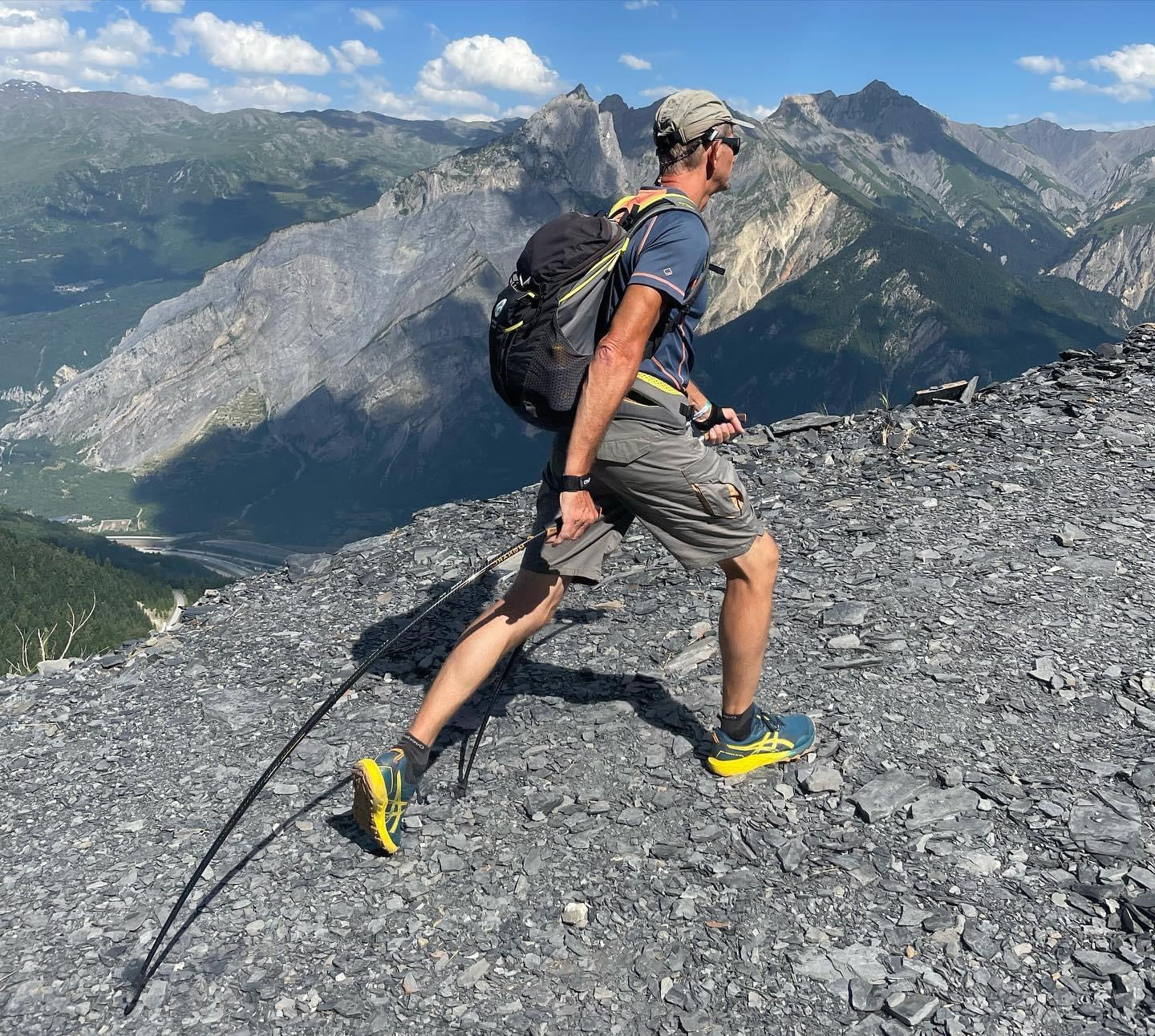
Cardiac Rehabilitation and Nordic Walking: What Cardiologists Confirm
After a heart attack, a bypass, heart failure or a stent placement, the return to physical activity is not an option: it is a medical prescription. Cardiac rehabilitation is now recognised as reducing the risk of mortality after an acute cardiac event by 20 to 25%, a result comparable to that of statins, beta-blockers and aspirin combined. And among the most recommended activities in this context, Nordic walking now holds a front-rank place.
The study that changed everything: Ottawa Heart Institute
In 2022, a randomised controlled study published in the Canadian Journal of Cardiology and relayed by Medscape placed Nordic walking at the top of the hierarchy of cardiovascular rehabilitation exercises. Dr Tasuku Terada and his colleagues at the University of Ottawa Heart Institute compared three training strategies in coronary patients:
- Moderate-to-vigorous intensity continuous training (MICT)
- High-intensity interval training (HIIT)
- Nordic walking
At 12 weeks, all three groups progressed. But it was in the 6-minute walk test, the reference measure of functional cardiac capacity, that the gap widened: the Nordic walking group gained 94.2 metres, against 59.9 m for HIIT and 55.6 m for MICT. Nordic walking was "statistically and clinically superior" to the other two methods. And at 26 weeks, this advantage held, confirming the durability of the benefits.
Why does Nordic walking outperform even HIIT in rehabilitation?
The answer lies in the specificity of the movement. Nordic walking simultaneously engages 90% of the body's muscles, which generates a high cardiovascular demand while keeping joint impact low. Unlike HIIT, which imposes intensity peaks that are hard to tolerate in the first post-operative months, Nordic walking offers a continuous, adjustable, progressive effort, ideal for hearts under reconstruction.
Dr Jennifer Reed, co-author of the Ottawa study, sums up: "Exercise is a treatment that improves patients' health, but it is unfortunately not used as often as it should be." Nordic walking makes that exercise accessible, enjoyable and effective, even for patients who have never done sport.
Nordic walking in cardiac rehabilitation protocols
In France and in Europe, many cardiac rehabilitation centres now integrate Nordic walking into their programmes. The Luzerner Höhenklinik Montana (Switzerland) includes it in its post-cardiac-surgery physical rehabilitation protocols. Vascular rehabilitation centres also recommend it for arteritis patients. The FFA has developed a "sport on prescription" scheme that includes Nordic walking among the activities doctors can prescribe.
The poles' role in the cardiac patient's safety
For a patient in cardiac rehabilitation, safety comes before everything. The poles offer a double benefit in this context:
- Stability and balance: reducing the risk of falling, particularly important for patients on anticoagulants or in general deconditioning
- Intensity control: technical Nordic walking naturally imposes a moderate pace and a regular movement, making it easier to stay in the target intensity zone prescribed by the cardiologist
Light poles, like the 140-gram MØNARC® Arcs de Marche, also make the return easier: a heavy pole tires the shoulders and arms and can discourage outings from the very first sessions. Lightness is a matter of therapeutic compliance as much as of sporting performance.
MØNARC® and healthcare professionals
Corinne Serres, a nurse in a cardiovascular rehabilitation clinic, is among the users of the MØNARC® Arcs de Marche. Her account after several outings: "The technical movement easier, more spontaneous: you would almost take flight." A feeling that takes on its full meaning in the context of a return to activity after a cardiac episode.
This article is for information purposes. Any return to physical activity after a cardiac event must be validated and supervised by a cardiologist or a physical and rehabilitation medicine doctor.

The MØNARC® Arcs de Marche®
Curved 100% carbon Nordic walking poles, 140 g per pole, designed in France and assembled in France. Their curve directs the push more forwards and reduces the vibrations transmitted to the arms, two effects measured by Université Grenoble Alpes.
Disclaimer. This article provides general information. It does not replace the advice of a doctor or health professional, nor supervision by a qualified instructor. Before starting or stepping up physical activity, especially if you have a health condition, pain or ongoing treatment, consult your doctor. Exercise according to your fitness, on suitable ground and with equipment in good condition. Each reader remains solely responsible for their own practice and for the decisions they make based on this information, and MONARC SAS cannot be held liable for their consequences.